Posted by: danaseo - 3 September 2026, 03:47 PM - Forum: Article - No Replies
Trong thế giới nhận diện thương hiệu, hình ảnh và màu sắc thường là những yếu tố đầu tiên thu hút ánh nhìn, nhưng chính kiểu chữ mới là giọng nói thầm lặng định hình nên tính cách của một doanh nghiệp. Một phông chữ không đơn thuần là công cụ truyền tải ngôn ngữ, mà còn mang trong mình ngôn ngữ thị giác mạnh mẽ, có khả năng gợi mở cảm xúc và xây dựng niềm tin nơi khách hàng ngay từ cái nhìn đầu tiên.
I. Ngôn ngữ hình học và cảm xúc của các nét chữ
Mỗi đường nét của chữ viết đều mang một tần số cảm xúc riêng biệt. Các phông chữ Serif truyền thống với phần chân chữ chỉn chu thường gợi lên sự tin cậy, lâu đời và tính thẩm quyền. Đây là lựa chọn quen thuộc của các thương hiệu cao cấp, các tổ chức tài chính hoặc các đơn vị tư vấn lâu năm muốn khẳng định sự vững chãi và uy tín.
Ngược lại, các phông chữ Sans-serif lược bỏ hoàn toàn chân chữ lại mang đến hơi thở của sự hiện đại, tối giản và minh bạch. Những nét chữ tròn trịa, đều đặn tạo cảm giác thân thiện, dễ tiếp cận và tràn đầy năng lượng tươi trẻ. Trong khi đó, các phông chữ Script dạng viết tay mềm mại lại khắc họa vẻ đẹp nghệ thuật, sự tinh tế và tính cá nhân hóa cao, rất phù hợp cho các thương hiệu thủ công, thời trang hoặc dịch vụ chăm sóc cá nhân.

Xem thêm: Dịch vụ thiết kế logo tại đà nẵng DanaSEO

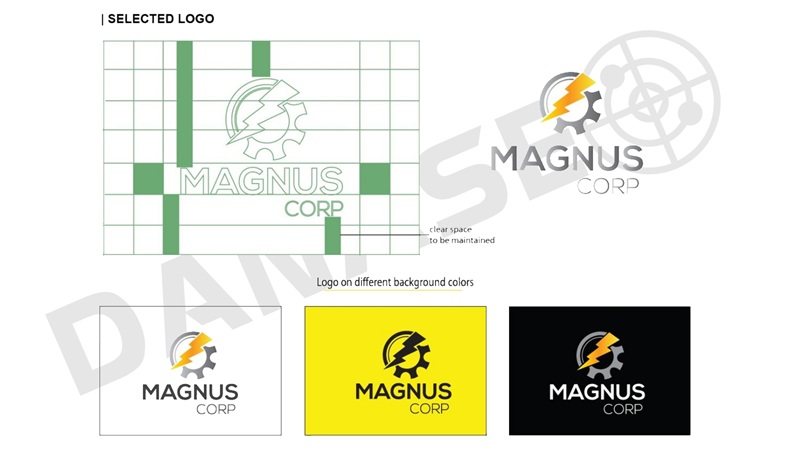
[Image: quy-trinh-thiet-ke-logo-1.jpg]
II. Sự kết hợp hài hòa giữa cấu trúc và thái độ thương hiệu
Việc lựa chọn hay thiết kế một kiểu chữ đại diện cho logo đòi hỏi sự thấu hiểu sâu sắc về định vị thương hiệu. Một thiết kế chữ quá cứng nhắc có thể khiến thương hiệu trở nên xa cách, nhưng một phông chữ quá bay bổng lại dễ làm mất đi tính chuyên nghiệp cần có.
Nghệ thuật tùy biến typography hiện đại nằm ở việc điều chỉnh độ đậm nhạt, khoảng cách giữa các ký tự và độ nghiêng của nét chữ để phản ánh đúng thái độ của doanh nghiệp. Nét chữ dày và đậm thể hiện sự mạnh mẽ, quyết đoán; nét chữ mảnh và cao tạo cảm giác sang trọng, thanh lịch. Sự tương phản giữa các yếu tố này chính là chìa khóa tạo nên sự độc bản, giúp thương hiệu dễ dàng nổi bật giữa một thị trường đầy tính cạnh tranh.

Xem thêm: https://congtydanaseo.blogspot.com/2026/...-nang.html

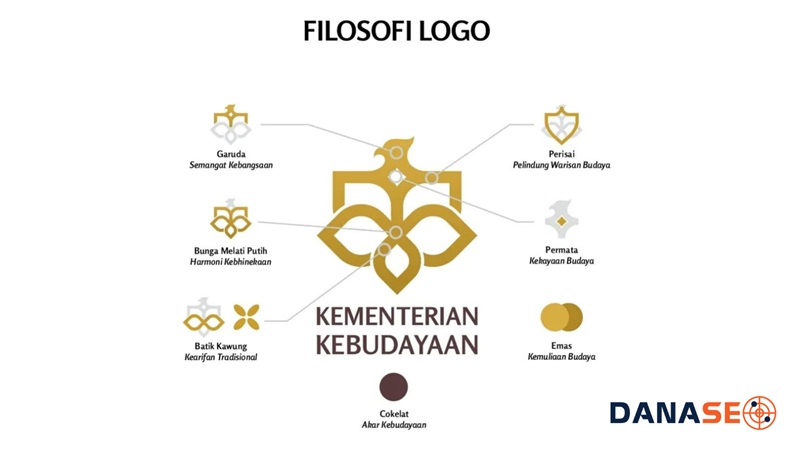
[Image: buoc-2-quy-trinh-thiet-ke-logo.jpg]
III. Tính ứng dụng đa kênh trong thời đại số
Một kiểu chữ logo xuất sắc không chỉ dừng lại ở tính thẩm mỹ trên bản vẽ, mà phải giữ vững được bản sắc khi hoạt động trên nhiều môi trường khác nhau. Trong thời đại chuyển đổi số, chữ viết trong logo phải hiển thị sắc nét từ bảng hiệu ngoài trời cho đến những màn hình di động nhỏ hẹp, từ ấn phẩm in ấn cho đến giao diện website và các ứng dụng truyền thông xã hội.
Tại Việt Nam, quá trình xây dựng bộ nhận diện thương hiệu đòi hỏi sự kết hợp chặt chẽ giữa tư duy sáng tạo nghệ thuật và năng lực triển khai kỹ thuật số. Đơn vị đồng hành như DanaSEO luôn chú trọng việc tối ưu hóa hình ảnh và typography logo sao cho vừa nổi bật thị giác, vừa đạt chuẩn hiển thị mượt mà trên website. Việc này đảm bảo trải nghiệm người dùng luôn nhất quán, nâng cao hiệu quả nhận diện và hỗ trợ tối đa cho các chiến dịch Marketing trực tuyến của doanh nghiệp.
Khai phá cá tính riêng biệt để kết nối khách hàng
Khách hàng hiện đại không chỉ mua sản phẩm, họ lựa chọn những thương hiệu có cùng giá trị và cá tính với bản thân. Kiểu chữ trong logo chính là tín hiệu đầu tiên giúp khách hàng nhận diện được liệu thương hiệu đó có thuộc về thế giới của họ hay không. Một thương hiệu công nghệ đột phá sẽ chọn nét chữ góc cạnh, một thương hiệu bền vững hướng về thiên nhiên sẽ ưu tiên những đường cong tự nhiên và mộc mạc.
Định hình cá tính thương hiệu thông qua kiểu chữ là bước đầu tư chiến lược mang tính lâu dài. Khi các đường nét chữ viết truyền tải đúng tinh thần cốt lõi, logo sẽ trở thành chiếc cầu nối cảm xúc vững chắc, giúp doanh nghiệp ghi dấu ấn đậm nét và xây dựng lòng trung thành nơi khách hàng theo thời gian.
CÔNG TY TNHH CÔNG NGHỆ VÀ TRUYỀN THÔNG DANASEO
Địa chỉ: 102 Đường Lý Thái Tông, Phường Thanh Khê, Thành phố Đà Nẵng
Mã số thuế: 0402001765
Người đại diện pháp luật: Phùng Thế Tưởng
Email: contact@danaseo.net
Số điện thoại: 0935.366.228

Xem thêm: Xu hướng thiết kế logo hiện đại dành cho giới trẻ năm nay

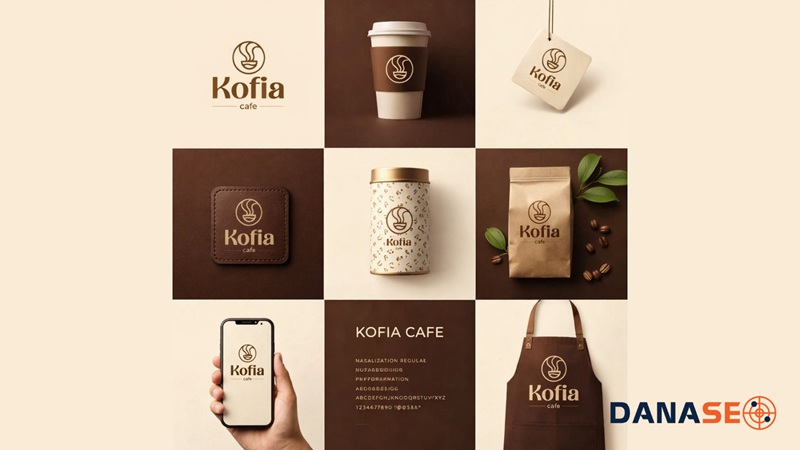
[Image: buoc-5-quy-trinh-thiet-ke-logo.jpg]
Print this item
Posted by: lindajohn - 3 September 2026, 03:46 PM - Forum: Article - No Replies
Private placement life insurance is fast becoming one of the most important wealth-preferring vehicles for ultra-high-net-worth individuals, multi-family offices, and international businesses based in or having operations in Switzerland. PPLI meets the demand for flexible institutional investing, and it gives investors the legal advantages of ownership through a pliable insurance-covered structure.
From the viewpoint of Swiss rules and tax, a suitably organized PPLI policy is extremely advantageous. Besides tax deferral and optimization, the Swiss and Liechtenstein-issued PPLI contracts provide great asset protection features, which include legal protection of assets from the claims coming from outside and lawsuits or compulsory inheritance, given certain statutory conditions have been fulfilled. For cross-border families, especially expatriates, connected persons to the USA residing in Switzerland, or global investors with their investments in multiple jurisdictions, PPLI is a complex mechanism providing international tax compliance and making it easier to manage taxes.
The present forum is dedicated to examining the functioning, legal aspects, and practical applications of Swiss PPLI life insurance. It considers such aspects as the wrapping of alternative investments, insurance-dedicated funds, and discretionary asset management mandates while complying with the restrictions based on the principle of investor control. Participants will be able to examine cross-border tax compliance concerning the Swiss federal tax system, U.S. taxes, and the European tax laws.
The discussions will also touch upon issues related to the use of policy beneficiaries, trusts, and Swiss estate planning instruments to transmit wealth across generations without the long probate process. In addition, we will compare the costs of running such a scheme against the benefits by taking into account the costs of mortality, asset management costs, and custodian charges vs. the anticipated long-term tax savings.
Whether you work as an independent financial advisor, legal representative, or ultra-high-net-worth investor, you are welcome to participate in the discussions.
Print this item
Posted by: Ananya123 - 3 September 2026, 03:46 PM - Forum: Article - No Replies
Art continues to change as artists gain access to new tools, platforms, and ways of sharing their work. Paintings, drawings, sculpture, photography, illustration, and digital creations now exist alongside newer forms that combine traditional techniques with technology. This shift has made the art world more accessible to people who may not have formal training or connections to galleries.
Digital tools have also changed how audiences discover artists. A person can find an illustrator through social media, explore a digital exhibition from home, or purchase artwork through an online marketplace. At the same time, artists have more opportunities to build an audience without depending entirely on traditional institutions.
For people interested in art, these developments offer a useful way to understand the direction of creative work. The current focus is not simply on technology. It is also on accessibility, originality, community, and the relationship between artists and their audiences.
Digital Tools Expanding Artistic Practice
Digital technology has become part of everyday creative work for many artists. Drawing tablets, editing software, photography applications, 3D modelling programs, and animation tools allow creators to experiment with techniques that can be difficult or expensive to reproduce using physical materials.
Digital art also makes revision easier. An artist can save different versions of a project, test several compositions, and make changes without starting the entire piece again. This does not remove the need for artistic skill. Understanding composition, colour, perspective, lighting, proportion, and visual storytelling remains important.
Many artists combine digital and traditional methods rather than choosing one over the other. For example, an artist might sketch on paper, scan the drawing, and complete the colouring digitally. Another creator may photograph a physical sculpture and use digital editing to develop a larger visual project.
This combination has created more options for creative practice.
Artists can use digital tools to:
  • Develop initial sketches and concepts.
  • Edit photographs and scanned artwork.
  • Create illustrations and animations.
  • Build 3D models and virtual environments.
  • Prepare artwork for printing.
  • Share finished projects with global audiences.
  • Maintain organised digital portfolios.
The growing number of digital spaces also means artists need to understand basic technology. File formats, image resolution, copyright, backups, and online presentation can all affect how artwork is viewed and shared.
Social Media Changing Art Discovery
Social media has become an important discovery channel for artists. Platforms built around images and short videos allow creators to display their work directly to potential audiences. A single post can reach people far outside the artist's local community.
This has changed the traditional path from creation to audience. An artist does not necessarily need to wait for a gallery exhibition before showing new work. They can document the creative process, publish finished pieces, explain their ideas, and interact with viewers throughout the project.
Process content has become particularly useful. People often enjoy seeing how an artwork develops from an early sketch into a finished piece. Behind-the-scenes posts can also help audiences understand the time, decisions, and techniques involved.
However, social media can also create pressure to produce content constantly. Artists may feel that they need to post frequently to remain visible. This can take time away from actual creative work.
A balanced approach is more practical.
Artists can create a manageable online routine by:
  • Posting finished work when it is ready.
  • Sharing selected stages of the creative process.
  • Keeping portfolio information updated.
  • Responding to genuine audience questions.
  • Avoiding unnecessary comparison with other creators.
  • Saving high-quality copies of important work offline.
Commercial content can also appear alongside art-related searches and discussions. For example, terms such as Kado Bar Rizz Disposable Vape may appear in online spaces that are not directly connected to an artist's subject. Understanding the difference between relevant artistic material, advertising, and unrelated commercial content helps audiences navigate digital platforms more effectively.
The main benefit of social media for artists is not simply gaining followers. It is creating a direct connection between creative work and an interested audience.
Traditional Skills Still Matter
The growth of digital art has not made traditional artistic skills irrelevant. Drawing, painting, sculpture, printmaking, photography, and other established practices continue to provide the foundation for many creative careers.
A digital illustration still depends on concepts such as proportion, composition, perspective, and visual balance. A 3D artist needs to understand form and light. A photographer needs to consider framing and exposure. A painter needs to make decisions about materials, surfaces, and colour relationships.
Learning traditional techniques can therefore support digital development.
Art students and independent creators can benefit from practising basic skills regularly. Simple exercises can improve observation and help artists develop greater control over their chosen medium.
Useful areas of practice include:
  • Drawing objects from observation.
  • Studying light and shadow.
  • Practising basic perspective.
  • Exploring different compositions.
  • Understanding colour relationships.
  • Experimenting with texture.
  • Creating work without relying on digital shortcuts.
Museums and galleries also remain valuable learning spaces. Seeing original artwork can provide information that is difficult to understand through a screen. The scale, texture, surface, and physical presence of an artwork can influence how viewers experience it.
Traditional art and digital art should not necessarily be treated as competing categories. Many contemporary artists use both. The choice of medium depends on the idea, audience, resources, and desired result.
Art Communities and the Future of Creative Work
Art communities are becoming more connected through online platforms, workshops, exhibitions, educational programs, and independent creative groups. These communities give artists opportunities to exchange ideas, receive feedback, collaborate, and discover new approaches.
Online communities can be particularly helpful for emerging artists who may not have access to large cultural institutions. A creator can find tutorials, participate in challenges, join discussions, and connect with other artists from different regions.
At the same time, the increased availability of creative tools creates a need for stronger conversations about originality and authorship. Artists and audiences are increasingly interested in how technology is used to produce images and other creative works.
Artificial intelligence is one example of this discussion. AI-assisted tools can help with brainstorming, image generation, editing, and experimentation. However, questions about copyright, training data, artistic credit, and the role of human creativity remain important.
Artists can respond to these changes by focusing on their own creative identity. A recognisable artistic approach often develops through regular practice rather than through a single technique or tool.
A healthy creative routine may include:
  • Regular personal projects.
  • Continued study of artistic fundamentals.
  • Visits to exhibitions and museums.
  • Participation in creative communities.
  • Experimentation with different media.
  • Careful documentation of finished work.
  • Open discussion about technology and authorship.
Commercial references can sometimes become part of broader internet culture as well, including brand names such as Kado Bar appearing in online conversations unrelated to art. For artists working online, being able to separate creative communities from general commercial content is increasingly useful.
Conclusion
The modern art world is shaped by a combination of traditional practice, digital tools, online communities, and changing audience habits. Technology has created new ways to make and share art, but the basic principles of creative practice remain important.
Artists still need observation, patience, technical understanding, and a clear creative direction. Digital platforms can help them reach audiences, while traditional methods can strengthen their understanding of visual communication.
For audiences, these changes make art easier to discover and explore. For artists, they provide more ways to develop a career and build meaningful connections with viewers.
The future of art is likely to include both established techniques and emerging technologies. Rather than replacing one another, these approaches can work together and give creators more choices in how they express ideas.
Print this item
Posted by: victorialuna - 3 September 2026, 03:46 PM - Forum: Article - No Replies
Grab is a quick, super app designed for businesses to launch a platform like Grab. It consists of features like delivery, ride-hailing, and parcel delivery, and more, for better purposes. Helps entrepreneurs launch a scalable and suitable platform for startups and enterprises. Grab clone script helps with customizing the app that matches your brand and business.

A Grab clone is a pre-built multi-service platform that replicates the core features and functionality of the Grab app, allowing users to book multiple services from a single platform.

It helps entrepreneurs launch a multi-service app in just a few days with full customization based on their business needs, while also achieving a greater return on investment (ROI).

Services offered by the Grab clone script
Ride hailing
Grocery delivery
Food delivery
Pharmacy delivery
Package delivery
Alchocol delivery
Laundry service

How Much Does It Cost To Build A Grab Clone?
The cost to build a grab clone is based on the development approach, such as a readymade clone script or a custom-built app

Most importantly, the cost of a Grab clone varies depending on the provider you choose. Since pricing can differ based on features, customization requirements, and services offered, it's best to contact the providers directly to get an accurate estimate for your platform.

Key Factors That Affect The Cost Of The Grab Clone
Some factors that influence the cost of the grab clone app include development team location, number of services, mobile platforms, and more. Let's discover them in detail.
1. Number of Services
The number of services included in the platform affects the development cost. Platforms with one or two services, such as ride-hailing and food delivery, come with an affordable cost.
2. Mobile Platform
Building separate native apps for Android and iOS requires more time and resources, while choosing a cross-platform framework can reduce development time and overall costs.
3. Development Team location
The location of the development team also influences the cost of a Grab clone script. According to industry reports, countries such as India, the Philippines, and Vietnam generally offer more affordable development costs compared to many other regions.
4. Third-party integration
Third-party integrations, such as Google Maps, payment gateways, SMS verification, and push notifications, can increase the overall development cost of a Grab clone.

Get Free Consultation:

Visit: https://www.trioangle.com/grab-clone/
WhatsApp - +91 63796 30152
Email ID - sales@trioangle.com
Print this item