
Posted by: phudatvuong - 4 September 2026, 10:48 AM - Forum: Article
- No Replies

Quạt hướng trục trong xưởng sản xuất gỗ: Giải pháp thông gió giúp cải thiện môi trường làm việc
Ngành chế biến gỗ là lĩnh vực sản xuất có quy trình vận hành phức tạp, trải qua nhiều công đoạn như cắt, bào, chà nhám, gia công và hoàn thiện sản phẩm. Trong quá trình này, nhà xưởng thường phát sinh lượng nhiệt lớn, bụi gỗ và các hạt vật liệu nhỏ ảnh hưởng đến chất lượng không khí.
Đối với những xưởng sản xuất có diện tích lớn, việc chỉ dựa vào phương pháp thông gió tự nhiên thường không đủ để duy trì môi trường làm việc thông thoáng. Vì vậy, nhiều doanh nghiệp lựa chọn hệ thống thông gió cơ khí với sự hỗ trợ của quạt hướng trục nhằm tăng khả năng trao đổi không khí và cải thiện điều kiện sản xuất.

Đặc điểm môi trường trong xưởng chế biến gỗ
Xưởng sản xuất gỗ thường tập trung nhiều loại máy móc có công suất lớn như máy cưa, máy bào, máy chà nhám và dây chuyền gia công tự động. Trong quá trình hoạt động, các thiết bị này tạo ra nhiệt lượng và phát sinh nhiều loại bụi khác nhau.
Nếu không được kiểm soát tốt, bụi gỗ có thể tích tụ trong không gian làm việc, ảnh hưởng đến sức khỏe người lao động cũng như làm giảm hiệu quả vận hành của máy móc.
Ngoài ra, những nhà xưởng kín với mật độ thiết bị cao thường dễ xuất hiện tình trạng không khí nóng, bí và thiếu sự lưu chuyển.
Vai trò của quạt hướng trục trong xưởng gỗ công nghiệp
Quạt hướng trục là thiết bị thông gió được sử dụng phổ biến trong các nhà xưởng nhờ khả năng tạo lưu lượng gió lớn và vận hành hiệu quả trong không gian rộng.
Trong ngành chế biến gỗ, quạt giúp thúc đẩy quá trình lưu thông không khí, hỗ trợ đưa khí nóng ra ngoài và bổ sung nguồn khí mới vào bên trong nhà xưởng.
Nhờ khả năng tạo dòng khí mạnh, thiết bị phù hợp với các khu vực cần tăng cường sự thông thoáng trong quá trình sản xuất liên tục.
Hỗ trợ giảm nhiệt trong khu vực máy móc hoạt động
Các thiết bị gia công gỗ thường phải vận hành trong thời gian dài, đặc biệt tại các dây chuyền sản xuất quy mô lớn. Nhiệt lượng phát sinh từ động cơ và ma sát trong quá trình gia công có thể khiến nhiệt độ nhà xưởng tăng cao.
Quạt hướng trục giúp tạo sự chuyển động của không khí, hỗ trợ phân tán nhiệt và giảm hiện tượng khí nóng tập trung xung quanh máy móc.
Điều này góp phần tạo môi trường làm việc dễ chịu hơn, đồng thời hỗ trợ thiết bị hoạt động ổn định trong thời gian dài.
Cải thiện chất lượng không khí trong xưởng sản xuất
Bụi gỗ là một trong những vấn đề cần được quan tâm hàng đầu trong ngành chế biến gỗ. Các hạt bụi nhỏ phát sinh trong quá trình cắt, mài và xử lý bề mặt có thể ảnh hưởng đến môi trường làm việc.
Quạt hướng trục giúp tăng cường sự lưu thông không khí, hạn chế tình trạng không khí bị tù đọng trong nhà xưởng.
Tuy nhiên, để xử lý bụi hiệu quả, doanh nghiệp cần kết hợp quạt với hệ thống hút bụi công nghiệp chuyên dụng nhằm đảm bảo môi trường sản xuất sạch hơn.
Ứng dụng trong kho gỗ nguyên liệu và khu vực thành phẩm
Không chỉ khu vực sản xuất, kho lưu trữ gỗ cũng cần được quan tâm về vấn đề thông gió. Gỗ là vật liệu có khả năng hấp thụ và trao đổi độ ẩm với môi trường, do đó điều kiện bảo quản ảnh hưởng trực tiếp đến chất lượng sản phẩm.
Quạt hướng trục giúp hỗ trợ tuần hoàn không khí trong kho, hạn chế tình trạng không khí ẩm hoặc bí kín.
Việc duy trì môi trường thông thoáng giúp giảm nguy cơ ảnh hưởng đến chất lượng gỗ trong quá trình lưu trữ.
Xem thêm: Quạt hướng trục trong nhà kho logistics: Giải pháp thông gió giúp bảo vệ hàng hóa và tối ưu vận hành
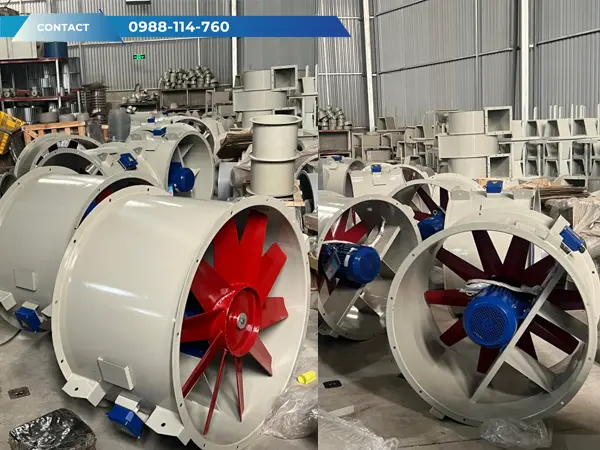
Lợi ích khi lắp đặt quạt hướng trục cho xưởng gỗ
Việc sử dụng quạt hướng trục mang lại nhiều lợi ích thiết thực cho các doanh nghiệp chế biến gỗ. Thiết bị giúp cải thiện khả năng thông gió, giảm nhiệt độ trong nhà xưởng và tạo môi trường làm việc thuận lợi hơn.
Bên cạnh đó, hệ thống quạt phù hợp còn giúp giảm áp lực cho các giải pháp làm mát khác, góp phần tối ưu chi phí vận hành.
Đối với những xưởng sản xuất hoạt động liên tục, một hệ thống thông gió hiệu quả sẽ hỗ trợ duy trì năng suất ổn định và bảo vệ thiết bị tốt hơn.
Tiêu chí lựa chọn quạt hướng trục cho xưởng gỗ
Mỗi xưởng chế biến gỗ có quy mô và cách bố trí máy móc khác nhau, vì vậy việc lựa chọn quạt cần dựa trên điều kiện thực tế.
Doanh nghiệp cần xem xét các yếu tố như diện tích nhà xưởng, chiều cao không gian, lượng nhiệt phát sinh, nhu cầu trao đổi khí và vị trí lắp đặt.
Ngoài ra, khả năng vận hành bền bỉ, mức tiêu thụ điện năng và sự thuận tiện trong quá trình bảo trì cũng là những yếu tố quan trọng cần được cân nhắc.
Bố trí quạt hợp lý giúp nâng cao hiệu quả thông gió
Một hệ thống quạt hoạt động hiệu quả không chỉ phụ thuộc vào công suất thiết bị mà còn liên quan đến cách bố trí trong nhà xưởng.
Việc lắp đặt cần đảm bảo hướng gió phù hợp với quy trình sản xuất, giúp luồng khí di chuyển đều qua các khu vực cần thông thoáng.
Nếu được thiết kế khoa học, hệ thống quạt sẽ phát huy tối đa hiệu quả, hạn chế những khu vực bị tích tụ nhiệt hoặc không khí kém lưu thông.
Quạt hướng trục công nghiệp cho xưởng gỗ tại Quạt Phú Đạt Vượng
Quạt Phú Đạt Vượng cung cấp các dòng quạt hướng trục công nghiệp phục vụ nhiều lĩnh vực như chế biến gỗ, sản xuất công nghiệp, nhà xưởng và các công trình cần giải pháp thông gió hiệu quả.
Sản phẩm có nhiều lựa chọn về kích thước, công suất và lưu lượng gió, phù hợp với nhiều mô hình xưởng sản xuất khác nhau.
Với kinh nghiệm trong lĩnh vực quạt công nghiệp, quạt hướng trục Phú Đạt Vượng hỗ trợ khách hàng tư vấn phương án thông gió phù hợp dựa trên đặc điểm nhà xưởng và nhu cầu sử dụng thực tế.
Trong ngành chế biến gỗ, việc kiểm soát nhiệt độ, bụi và chất lượng không khí đóng vai trò quan trọng đối với hiệu quả sản xuất. Một hệ thống thông gió phù hợp không chỉ giúp cải thiện môi trường làm việc mà còn hỗ trợ bảo vệ máy móc và nâng cao năng suất.
Với khả năng tạo lưu lượng gió lớn, quạt hướng trục là giải pháp phù hợp cho nhiều xưởng sản xuất gỗ hiện nay. Khi được lựa chọn đúng công suất và lắp đặt hợp lý, thiết bị sẽ góp phần xây dựng không gian sản xuất thông thoáng, an toàn và hiệu quả hơn.
Ngành chế biến gỗ là lĩnh vực sản xuất có quy trình vận hành phức tạp, trải qua nhiều công đoạn như cắt, bào, chà nhám, gia công và hoàn thiện sản phẩm. Trong quá trình này, nhà xưởng thường phát sinh lượng nhiệt lớn, bụi gỗ và các hạt vật liệu nhỏ ảnh hưởng đến chất lượng không khí.
Đối với những xưởng sản xuất có diện tích lớn, việc chỉ dựa vào phương pháp thông gió tự nhiên thường không đủ để duy trì môi trường làm việc thông thoáng. Vì vậy, nhiều doanh nghiệp lựa chọn hệ thống thông gió cơ khí với sự hỗ trợ của quạt hướng trục nhằm tăng khả năng trao đổi không khí và cải thiện điều kiện sản xuất.
Đặc điểm môi trường trong xưởng chế biến gỗ
Xưởng sản xuất gỗ thường tập trung nhiều loại máy móc có công suất lớn như máy cưa, máy bào, máy chà nhám và dây chuyền gia công tự động. Trong quá trình hoạt động, các thiết bị này tạo ra nhiệt lượng và phát sinh nhiều loại bụi khác nhau.
Nếu không được kiểm soát tốt, bụi gỗ có thể tích tụ trong không gian làm việc, ảnh hưởng đến sức khỏe người lao động cũng như làm giảm hiệu quả vận hành của máy móc.
Ngoài ra, những nhà xưởng kín với mật độ thiết bị cao thường dễ xuất hiện tình trạng không khí nóng, bí và thiếu sự lưu chuyển.
Vai trò của quạt hướng trục trong xưởng gỗ công nghiệp
Quạt hướng trục là thiết bị thông gió được sử dụng phổ biến trong các nhà xưởng nhờ khả năng tạo lưu lượng gió lớn và vận hành hiệu quả trong không gian rộng.
Trong ngành chế biến gỗ, quạt giúp thúc đẩy quá trình lưu thông không khí, hỗ trợ đưa khí nóng ra ngoài và bổ sung nguồn khí mới vào bên trong nhà xưởng.
Nhờ khả năng tạo dòng khí mạnh, thiết bị phù hợp với các khu vực cần tăng cường sự thông thoáng trong quá trình sản xuất liên tục.
Hỗ trợ giảm nhiệt trong khu vực máy móc hoạt động
Các thiết bị gia công gỗ thường phải vận hành trong thời gian dài, đặc biệt tại các dây chuyền sản xuất quy mô lớn. Nhiệt lượng phát sinh từ động cơ và ma sát trong quá trình gia công có thể khiến nhiệt độ nhà xưởng tăng cao.
Quạt hướng trục giúp tạo sự chuyển động của không khí, hỗ trợ phân tán nhiệt và giảm hiện tượng khí nóng tập trung xung quanh máy móc.
Điều này góp phần tạo môi trường làm việc dễ chịu hơn, đồng thời hỗ trợ thiết bị hoạt động ổn định trong thời gian dài.
Cải thiện chất lượng không khí trong xưởng sản xuất
Bụi gỗ là một trong những vấn đề cần được quan tâm hàng đầu trong ngành chế biến gỗ. Các hạt bụi nhỏ phát sinh trong quá trình cắt, mài và xử lý bề mặt có thể ảnh hưởng đến môi trường làm việc.
Quạt hướng trục giúp tăng cường sự lưu thông không khí, hạn chế tình trạng không khí bị tù đọng trong nhà xưởng.
Tuy nhiên, để xử lý bụi hiệu quả, doanh nghiệp cần kết hợp quạt với hệ thống hút bụi công nghiệp chuyên dụng nhằm đảm bảo môi trường sản xuất sạch hơn.
Ứng dụng trong kho gỗ nguyên liệu và khu vực thành phẩm
Không chỉ khu vực sản xuất, kho lưu trữ gỗ cũng cần được quan tâm về vấn đề thông gió. Gỗ là vật liệu có khả năng hấp thụ và trao đổi độ ẩm với môi trường, do đó điều kiện bảo quản ảnh hưởng trực tiếp đến chất lượng sản phẩm.
Quạt hướng trục giúp hỗ trợ tuần hoàn không khí trong kho, hạn chế tình trạng không khí ẩm hoặc bí kín.
Việc duy trì môi trường thông thoáng giúp giảm nguy cơ ảnh hưởng đến chất lượng gỗ trong quá trình lưu trữ.
Xem thêm: Quạt hướng trục trong nhà kho logistics: Giải pháp thông gió giúp bảo vệ hàng hóa và tối ưu vận hành
Lợi ích khi lắp đặt quạt hướng trục cho xưởng gỗ
Việc sử dụng quạt hướng trục mang lại nhiều lợi ích thiết thực cho các doanh nghiệp chế biến gỗ. Thiết bị giúp cải thiện khả năng thông gió, giảm nhiệt độ trong nhà xưởng và tạo môi trường làm việc thuận lợi hơn.
Bên cạnh đó, hệ thống quạt phù hợp còn giúp giảm áp lực cho các giải pháp làm mát khác, góp phần tối ưu chi phí vận hành.
Đối với những xưởng sản xuất hoạt động liên tục, một hệ thống thông gió hiệu quả sẽ hỗ trợ duy trì năng suất ổn định và bảo vệ thiết bị tốt hơn.
Tiêu chí lựa chọn quạt hướng trục cho xưởng gỗ
Mỗi xưởng chế biến gỗ có quy mô và cách bố trí máy móc khác nhau, vì vậy việc lựa chọn quạt cần dựa trên điều kiện thực tế.
Doanh nghiệp cần xem xét các yếu tố như diện tích nhà xưởng, chiều cao không gian, lượng nhiệt phát sinh, nhu cầu trao đổi khí và vị trí lắp đặt.
Ngoài ra, khả năng vận hành bền bỉ, mức tiêu thụ điện năng và sự thuận tiện trong quá trình bảo trì cũng là những yếu tố quan trọng cần được cân nhắc.
Bố trí quạt hợp lý giúp nâng cao hiệu quả thông gió
Một hệ thống quạt hoạt động hiệu quả không chỉ phụ thuộc vào công suất thiết bị mà còn liên quan đến cách bố trí trong nhà xưởng.
Việc lắp đặt cần đảm bảo hướng gió phù hợp với quy trình sản xuất, giúp luồng khí di chuyển đều qua các khu vực cần thông thoáng.
Nếu được thiết kế khoa học, hệ thống quạt sẽ phát huy tối đa hiệu quả, hạn chế những khu vực bị tích tụ nhiệt hoặc không khí kém lưu thông.
Quạt hướng trục công nghiệp cho xưởng gỗ tại Quạt Phú Đạt Vượng
Quạt Phú Đạt Vượng cung cấp các dòng quạt hướng trục công nghiệp phục vụ nhiều lĩnh vực như chế biến gỗ, sản xuất công nghiệp, nhà xưởng và các công trình cần giải pháp thông gió hiệu quả.
Sản phẩm có nhiều lựa chọn về kích thước, công suất và lưu lượng gió, phù hợp với nhiều mô hình xưởng sản xuất khác nhau.
Với kinh nghiệm trong lĩnh vực quạt công nghiệp, quạt hướng trục Phú Đạt Vượng hỗ trợ khách hàng tư vấn phương án thông gió phù hợp dựa trên đặc điểm nhà xưởng và nhu cầu sử dụng thực tế.
Trong ngành chế biến gỗ, việc kiểm soát nhiệt độ, bụi và chất lượng không khí đóng vai trò quan trọng đối với hiệu quả sản xuất. Một hệ thống thông gió phù hợp không chỉ giúp cải thiện môi trường làm việc mà còn hỗ trợ bảo vệ máy móc và nâng cao năng suất.
Với khả năng tạo lưu lượng gió lớn, quạt hướng trục là giải pháp phù hợp cho nhiều xưởng sản xuất gỗ hiện nay. Khi được lựa chọn đúng công suất và lắp đặt hợp lý, thiết bị sẽ góp phần xây dựng không gian sản xuất thông thoáng, an toàn và hiệu quả hơn.
