Posted by: AlhajiBak - 24 September 2026, 10:31 AM - Forum: Article - No Replies
Seasonal bosses are among the most rewarding challenges in Diablo 4, but entering these encounters without preparation can turn a promising run into a frustrating experience. A strong supply of Diablo 4 Items, upgraded equipment, and a clear understanding of boss mechanics can make the difference between a quick victory and repeated failed attempts. With the right preparation, players can approach difficult encounters more confidently while making better use of their farming time.
Boss preparation should begin long before entering the arena. Instead of immediately spending every resource on minor upgrades, players should identify which improvements will provide the biggest increase in survivability and damage.
Build Around the Boss
Different bosses can punish different weaknesses, so your usual farming setup may not always be the best choice. Check your build's primary damage type, defensive layers, mobility, and resource management before committing to a difficult fight.
A boss-focused setup should prioritize consistent damage rather than relying entirely on short bursts. Defensive abilities are equally important because surviving longer often provides more value than gaining a small amount of additional damage.
Pay attention to cooldowns as well. If your strongest defensive or offensive skill has a long recovery time, avoid wasting it immediately when the encounter begins. Saving key abilities for dangerous phases can make the entire fight considerably smoother.
Upgrade High-Impact Equipment
Not every piece of gear deserves the same investment. Start by identifying the equipment slots that directly influence your build's main damage or defensive mechanics. Improving those pieces can produce a much larger benefit than spreading resources across every item.
Check affixes carefully before replacing equipment. A slightly lower item power piece can sometimes outperform a higher-level item if its affixes work better with your build. This is especially important when preparing for bosses with demanding survivability requirements.
Players should also avoid spending valuable crafting materials impulsively. Keep a reasonable reserve for important upgrades that may appear after several successful farming runs.
Prepare Consumables and Resources
A boss run becomes much more efficient when everything is ready beforehand. Stock up on useful consumables, repair equipment, organize your inventory, and make sure there is enough room for potential rewards.
Resource management is particularly important when several boss attempts are planned. Instead of using every available material during the first attempt, establish a sustainable farming cycle. This allows you to continue running encounters without constantly returning to town.
Learn the Encounter
Gear alone cannot solve every boss fight. Spend some time learning attack patterns, positioning requirements, and dangerous phases. Recognizing when to dodge, when to attack, and when to preserve defensive cooldowns can dramatically improve consistency.
After each failed attempt, identify the actual reason for the defeat. If damage is sufficient but survival is poor, improve defenses instead of endlessly chasing more offensive stats.
Turn Preparation Into Progress
A well-prepared boss rotation can become one of the most efficient ways to improve a seasonal character. Once your build can defeat encounters consistently, gradually increase the difficulty and reinvest valuable rewards into meaningful upgrades.
Players who need additional options can compare Diablo 4 Items before committing their limited resources. The goal should always be creating a balanced character rather than simply collecting the highest-level equipment available.
With efficient farming and careful upgrades, you can eventually buy Diablo 4 Items that complement your build strategy and reduce unnecessary progression gaps. More importantly, understanding how your character performs against different bosses will help you make smarter decisions throughout the entire season.
Print this item
Posted by: phudatvuong - 24 September 2026, 09:31 AM - Forum: Article - No Replies
Quạt Hút Bụi Túi Vải Phú Đạt Vượng – Cách Bố Trí Hệ Thống Phù Hợp Với Nhà Xưởng Nhiều Khu Vực
Đối với những nhà xưởng có quy mô lớn hoặc nhiều khu vực sản xuất khác nhau, việc kiểm soát bụi không thể chỉ dựa vào một điểm hút đơn lẻ. Mỗi khu vực có thể phát sinh loại bụi, lưu lượng bụi và nhu cầu xử lý khác nhau, vì vậy cách bố trí hệ thống hút bụi đóng vai trò quan trọng trong hiệu quả vận hành.
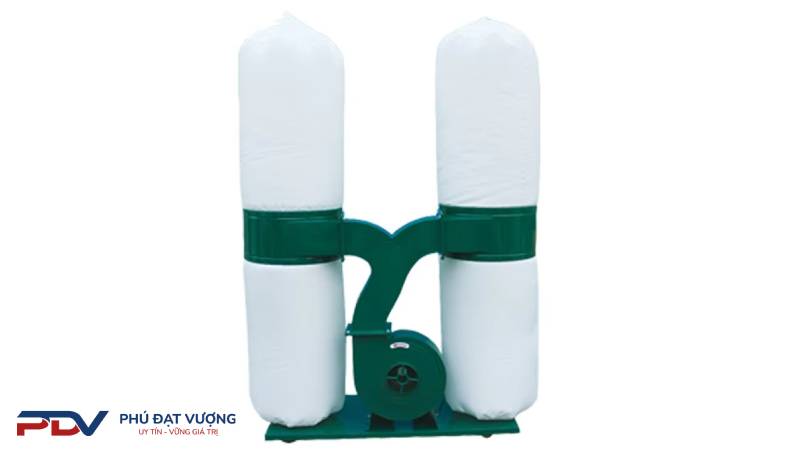
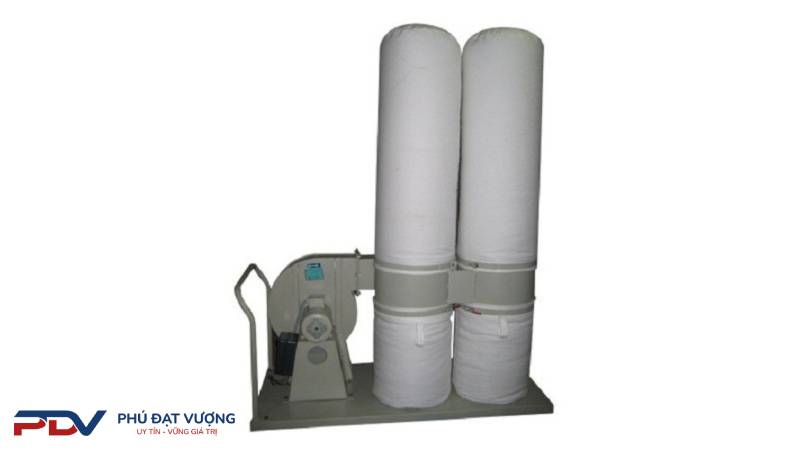
Một phương án bố trí hợp lý giúp quạt hút bụi túi vải Phú Đạt Vượng phát huy khả năng thu gom, đồng thời hỗ trợ doanh nghiệp duy trì môi trường sản xuất ổn định hơn.

[Image: vi-sao-tui-loc-bui-nhanh-bi-nghet-quatco...ptot-9.jpg]

Vì sao nhà xưởng nhiều khu vực cần tính toán cách bố trí hệ thống?
Trong một nhà máy, các công đoạn sản xuất thường không diễn ra tại cùng một vị trí. Khu vực gia công, khu vực hoàn thiện, khu vực chứa nguyên liệu hoặc khu vực đóng gói có thể phát sinh những nguồn bụi khác nhau.
Nếu hệ thống hút bụi không được bố trí phù hợp, một số điểm có thể được xử lý tốt trong khi những khu vực khác vẫn còn tồn tại lượng bụi đáng kể.
Do đó, việc phân chia và tính toán vị trí hút là bước quan trọng khi triển khai hệ thống cho nhà xưởng nhiều khu vực.


Khảo sát từng khu vực phát sinh bụi trước khi lắp đặt
Mỗi vị trí sản xuất cần được đánh giá riêng về đặc điểm nguồn bụi, tần suất hoạt động và mức độ phát sinh trong quá trình làm việc.
Việc khảo sát giúp xác định khu vực nào cần ưu tiên thu gom, vị trí đặt cửa hút và cách kết nối với hệ thống chung.
Một phương án được xây dựng dựa trên thực tế sẽ phù hợp hơn so với việc áp dụng cùng một cách bố trí cho toàn bộ nhà xưởng.


Phân chia khu vực hút bụi theo từng nhóm sản xuất
Trong nhà xưởng lớn, việc chia hệ thống theo từng nhóm khu vực có thể giúp quá trình quản lý trở nên thuận tiện hơn.
Những khu vực có đặc điểm phát sinh bụi tương đồng có thể được xem xét bố trí chung trong một phương án xử lý phù hợp.
Cách phân vùng hợp lý giúp hạn chế tình trạng một số điểm hút hoạt động quá tải trong khi những khu vực khác chưa được khai thác hiệu quả.


Khoảng cách giữa quạt và khu vực phát sinh bụi cần được cân nhắc
Vị trí đặt quạt có thể ảnh hưởng đến khả năng vận chuyển dòng khí trong toàn hệ thống.
Nếu khoảng cách từ quạt đến khu vực hút quá lớn hoặc hệ thống đường dẫn khí không phù hợp, hiệu quả thu gom có thể bị ảnh hưởng.
Việc lựa chọn vị trí lắp đặt cần dựa trên mặt bằng nhà xưởng, đặc điểm sản xuất và yêu cầu vận hành thực tế.


Bố trí nhiều điểm hút cần đảm bảo sự cân bằng
Nhà xưởng có nhiều nguồn phát sinh bụi thường cần nhiều cửa hút kết nối với hệ thống chung.
Tuy nhiên, việc phân bổ các điểm hút cần được tính toán để tránh tình trạng một khu vực nhận lực hút quá lớn trong khi khu vực khác hoạt động kém hiệu quả.
Sự cân bằng giữa các điểm hút giúp hệ thống vận hành ổn định hơn trong quá trình sử dụng.
Xem thêm: Quạt Hút Bụi Túi Vải Phú Đạt Vượng – Cần Chuẩn Bị Gì Khi Nhà Xưởng Bước Vào Giai Đoạn Sản Xuất Cao Điểm

[Image: vi-sao-tui-loc-bui-nhanh-bi-nghet-quatco...ptot-6.jpg]

Hạn chế ảnh hưởng đến hoạt động sản xuất
Bên cạnh khả năng thu gom bụi, hệ thống hút bụi cũng cần được bố trí sao cho không gây cản trở đến quá trình sản xuất.
Đường ống, vị trí đặt quạt và các bộ phận liên quan cần được sắp xếp phù hợp với không gian làm việc.
Một phương án tốt cần đảm bảo cả hiệu quả xử lý bụi lẫn sự thuận tiện cho người vận hành.


Có thể mở rộng hệ thống khi nhà xưởng phát triển
Đối với những doanh nghiệp có kế hoạch mở rộng sản xuất, việc tính toán khả năng mở rộng ngay từ ban đầu là yếu tố cần được quan tâm.
Một hệ thống được bố trí linh hoạt sẽ dễ dàng bổ sung thêm điểm hút hoặc điều chỉnh theo nhu cầu mới.
Điều này giúp doanh nghiệp hạn chế việc phải thay đổi toàn bộ hệ thống khi quy mô sản xuất tăng lên.


Bố trí hệ thống phù hợp giúp giảm tổn thất trong vận hành
Khi các bộ phận trong hệ thống được sắp xếp hợp lý, dòng khí có thể di chuyển thuận lợi hơn trong quá trình thu gom bụi.
Ngược lại, cách bố trí chưa phù hợp có thể khiến thiết bị phải làm việc nhiều hơn để đạt được hiệu quả mong muốn.
Việc tối ưu cách bố trí góp phần hỗ trợ thiết bị hoạt động ổn định và sử dụng hiệu quả hơn.


Cần đánh giá lại khi quy trình sản xuất thay đổi
Nhà xưởng có thể thay đổi theo thời gian như bổ sung máy móc, thay đổi vị trí sản xuất hoặc phát sinh thêm công đoạn mới.
Những thay đổi này có thể làm ảnh hưởng đến khả năng đáp ứng của hệ thống hút bụi hiện tại.
Việc đánh giá định kỳ giúp doanh nghiệp kịp thời điều chỉnh phương án bố trí để phù hợp với điều kiện mới.


Quạt Phú Đạt Vượng – Giải pháp quạt công nghiệp cho nhiều mô hình nhà xưởng
Hệ thống hút bụi hiệu quả cần được xây dựng dựa trên đặc điểm riêng của từng môi trường sản xuất.
Quạt Phú Đạt Vượng cung cấp các dòng quạt công nghiệp phục vụ nhu cầu hút bụi, thông gió và xử lý không khí trong nhiều lĩnh vực.


Việc kết hợp thiết bị phù hợp cùng phương án bố trí khoa học giúp doanh nghiệp nâng cao khả năng kiểm soát bụi trong nhà xưởng.
Bố trí hệ thống quạt hút bụi túi vải trong nhà xưởng nhiều khu vực là công việc cần được tính toán dựa trên nguồn phát sinh bụi, mặt bằng sản xuất và nhu cầu vận hành.
Một hệ thống được thiết kế phù hợp không chỉ giúp nâng cao hiệu quả thu gom bụi mà còn hỗ trợ quá trình sản xuất diễn ra ổn định hơn. Doanh nghiệp nên đánh giá tổng thể trước khi triển khai để đảm bảo thiết bị đáp ứng tốt yêu cầu sử dụng lâu dài.
Print this item
Posted by: Baditgv - 24 September 2026, 08:59 AM - Forum: Article - No Replies
Why Do Geopolitical Risks Continue to Affect Oil Prices? Slickorps Research Analyzes Changes in the Crude Oil Market

[Image: 8tazxopy.png] 

Recently, international oil prices have been searching for direction amid renewed volatility. As geopolitical conditions evolve and global crude oil inventories continue to decline, the market focus is shifting from the traditional balance of supply and demand toward supply security, inventory levels, and geopolitical risk premiums. According to a recent market review published by Slickorps Research, current oil price movements are being shaped by the combined effects of supply risks, inventory levels, and geopolitical factors. The following content is provided solely for market observation and industry research purposes and does not constitute trading advice.
 
Key Takeaways
 
Several market institutions have recently begun reassessing oil price models previously based on rising supply and slowing demand. Market attention is gradually shifting toward supply risks, inventory changes, and geopolitical developments. Future oil price performance will continue to be influenced by multiple factors, including changes in geopolitical risk, inventory levels, and the global demand environment. The scenarios currently attracting market attention can be broadly divided into three categories: persistent supply risks, further supply disruptions, and an easing of risks.
 
I. Why Are Oil Prices Attracting Renewed Attention?
 
The supply risk premium has once again become a key market consideration. According to market observations compiled by Slickorps Research, monitoring by certain market institutions indicates that some production capacity in the Persian Gulf region has been significantly affected. Some institutions believe that if the risk of supply disruptions persists, crude oil prices may include an additional risk premium. Even after accounting for slowing demand, oil prices may continue to reflect an additional risk premium for an extended period as long as the relevant blockades remain in place. This may heighten market attention to downside risks in oil prices.
 
Changes in global inventories have become a key area of market focus. Since the conflict began, global crude oil inventories have declined significantly. The fact that oil prices did not spiral entirely out of control was largely attributable to countries releasing reserves. However, as inventory buffers change, the global market may face insufficient inventory protection in the fourth quarter. As this buffer declines, the market may become more sensitive to supply disruptions.
 
Geopolitical conditions remain highly uncertain. The US national average gasoline price is approaching USD 5 per gallon, while the yield on the 10-year US Treasury is nearing 5%. Changes in these indicators have further intensified concerns that the environment of high inflation and high interest rates may persist. Current geopolitical conditions remain subject to considerable uncertainty, and diplomatic developments may become an important variable affecting market expectations. The dual challenge of high oil prices and high interest rates could become a persistent feature of the market environment over the coming months or even longer.
 
II. Which Variables Will Shape the Future Oil Market?
 
Future oil prices will no longer depend solely on conventional economic supply-and-demand curves. Instead, they will be determined by the intensity of geopolitical confrontation and the pace at which inventories are depleted. The scenarios attracting market attention can be broadly divided into the following three categories:
 
Scenario One: Supply Risks Persist and Oil Prices Remain Highly Volatile
 
Outlook: The conflict remains broadly unchanged and does not expand further to Saudi Arabia or the United Arab Emirates, while the United States continues its economic isolation of Iran.
 
Market performance: If supply disruptions persist, the risk premium may continue to influence oil prices, and Brent crude could trade sideways within an elevated range while experiencing substantial volatility.
 
Institutional view: Some institutions have begun reassessing price models previously based on rising supply and slowing demand.
 
Scenario Two: Supply Is Further Disrupted and Oil Prices Rise Rapidly
 
Outlook: As inventories decline further during the fourth quarter, an Iranian response results in renewed damage to the core oil transportation infrastructure of Saudi Arabia, or the Strait of Hormuz is completely blocked.
 
Market performance: If critical energy supply hubs are affected, the market may reassess supply security, potentially leading to rapid price fluctuations.
 
Institutional view: Some institutions have warned that a potential supply breakdown could drive oil prices even higher.
 
Scenario Three: Risks Ease and the Market Returns to Fundamentals
 
Outlook: If diplomatic tensions ease or supply risks decline in the future, market attention may return to supply and demand, inventory levels, and global economic growth.
 
Market performance: If geopolitical risks decline, the market may refocus on supply and demand, inventory levels, and global economic growth, while the fear premium could fall rapidly.
 
III. How Do Oil Prices Affect Financial Markets?
 
Changes in oil prices may affect global financial markets through several channels:
 
- Earnings expectations for energy companies
- Changes in manufacturing costs
- Inflation trends
- Monetary policy expectations
- The performance of commodity-linked currencies
 
The effects vary across asset classes, and market participants need to analyze them in light of their own risk profiles. Changes in oil prices may affect the logic underlying risk pricing across different asset classes. Market participants generally need to conduct a comprehensive analysis that considers the macroeconomic environment, asset characteristics, and their own risk circumstances.
 
Persistently high crude oil prices may continue to affect the current account surpluses of non-oil-producing countries. The currencies of certain resource-based economies may be influenced by changes in energy prices, while the erosion of profits among energy-intensive manufacturers and traditional aviation and logistics companies may become more pronounced in the fourth quarter.
 
IV. Risk Management in CFD Trading
 
Oil price volatility is often accompanied by high leverage, substantial price fluctuations, and rapid shifts in market sentiment. For investors participating in CFD trading involving foreign exchange, stock indices, equities, and commodities, understanding risk is more important than predicting market direction. The following safe-trading considerations have been compiled by Slickorps Research and are provided solely for market observation and risk management purposes.
 
1. Understand the Two-Way Amplifying Effect of Leverage
 
CFDs are leveraged financial products, meaning that price movements can magnify both profits and losses. Risk management is particularly important in highly volatile environments, especially during periods of sharp oil price fluctuations. Traders should manage their position sizes according to their own risk tolerance and avoid excessive concentration in a single market direction.
 
2. Monitor Margin Requirements and Forced Liquidation Mechanisms
 
Margin requirements may be adjusted dynamically during periods of high volatility. Traders need to understand the margin rules, forced liquidation mechanisms, and negative balance protection arrangements of a platform in advance to avoid involuntary liquidation caused by rapid market movements.
 
3. Establish Risk Management Rules
 
Traders should understand their own risk tolerance in advance and use the risk management tools provided by the platform to manage trading risks. They should also reduce emotionally driven decision-making during periods of severe market volatility.
 
4. Remain Alert to Macroeconomic Events
 
Geopolitical developments, inventory data, central bank policies, and diplomatic progress can all trigger sharp short-term fluctuations in oil prices. Traders should monitor major economic data releases, changes in central bank policy, and developments in the international geopolitical environment.
 
5. Avoid Excessive Reliance on a Single Scenario
 
Multiple outcomes remain possible, whether supply risks persist or supply is disrupted further. Traders should not commit all their positions to a single scenario. Instead, they should maintain the flexibility to make adjustments based on their own assessments and risk management rules.
 
About Slickorps Research
 
Slickorps Research is the industry research division of Slickorps, which continuously monitors global financial market structures, developments in trading technology, and trends in the evolution of financial instruments. Slickorps is a global multi-asset CFD trading platform that provides trading services covering foreign exchange, stock indices, equities, and commodities. The platform operates through entities in different regions and pursues global expansion in accordance with the regulatory requirements of each market. Its relevant operating entities have obtained financial services authorizations in Australia and South Africa.
 
Risk Warning
 
Contracts for difference (CFDs) are high-risk leveraged financial products that may result in the loss of principal and may not be suitable for all investors. This article is provided solely for market observation and industry research purposes and does not constitute investment advice, a trading recommendation, or a guarantee of returns. Please ensure that you fully understand the product risks, your own risk tolerance, and the applicable trading rules before making investment decisions, and proceed with caution. Past performance is not indicative of future results.
Print this item
Posted by: AlhajiBak - 24 September 2026, 08:56 AM - Forum: Article - No Replies
Exploring Japan in Forza Horizon 6 can be just as rewarding as competing in organized races. The open roads provide plenty of opportunities to create personal driving routes, especially when the goal is to enjoy the scenery, test different vehicles, and discover roads that are easy to overlook during competitive events. A carefully chosen group of Forza Horizon 6 Boosting can turn a simple free-roam session into a complete touring experience.
Instead of judging a vehicle by lap times alone, consider how well it fits a longer journey. Acceleration, cornering response, braking stability, and overall comfort can all influence how enjoyable a car feels after several minutes of driving. This makes road trips a useful way to experience vehicles from a completely different perspective.
Pick A Theme For The Trip
Giving each journey a theme makes planning much easier. You could organize a drive around classic Japanese vehicles, modern sports cars, lightweight coupes, or a specific performance class.
A themed trip also gives you a reason to revisit familiar locations. The same mountain road may feel completely different when driven in a compact classic compared with a high-powered modern machine.
Connect Different Environments
A memorable route should gradually change rather than staying in one environment for the entire journey. Start somewhere with dense city traffic, then move toward open highways before entering narrower countryside or mountain roads.
This progression keeps the driving experience varied. Faster sections allow you to settle into a rhythm, while tighter roads demand more precise steering and braking. Finishing at a scenic location gives the entire trip a natural conclusion.
Prioritize Stability Over Power
High horsepower can be entertaining, but it is not always the best choice for exploration. Excessive power can make a vehicle difficult to control on narrow roads, particularly when the route includes frequent corners.
For touring builds, prioritize predictable handling and reliable braking. Tire upgrades can improve confidence, while suspension changes can make the car feel more composed. A moderate power setup often provides enough performance without making every acceleration zone difficult to manage.
Use The Map Differently
Fast travel is convenient when completing objectives, but avoiding it can reveal another side of the map. Set a destination and deliberately follow roads instead of taking the most direct route.
Look for roads that curve around mountains, pass through distinctive scenery, or connect areas you normally ignore. Taking a longer route can turn a short destination trip into a much more interesting driving session.
Make Photography Part Of The Journey
Photography can add another layer to a road trip. Instead of stopping only when you reach the final destination, identify several locations where the vehicle looks particularly impressive.
Try different camera positions and lighting conditions. A sunset drive can produce a completely different atmosphere from a bright daytime cruise, while nighttime city roads can give the same vehicle a more dramatic character.
Switch Cars Between Journeys
Vehicle rotation is an easy way to prevent repetitive sessions. One trip might focus on a classic coupe, while the next could feature a modern grand tourer or a lightweight sports car.
Testing different FH6 Cars also helps reveal strengths that may not matter during racing. Some vehicles are particularly enjoyable because of their sound, steering response, or cruising behavior rather than their competitive statistics.
Turn Touring Into A Challenge
Relaxed driving does not mean the journey has to be completely passive. Create small objectives to give each route a sense of progression.
You could set a maximum speed, avoid fast travel, visit several landmarks, or complete the entire journey without a major collision. These self-imposed rules provide structure without turning the trip into another conventional race.
Expand Your Touring Collection
A strong exploration garage should contain vehicles with different personalities rather than simply collecting cars with similar performance levels. Having several options allows you to match the vehicle to the mood and route of every trip.
When adding new FH6 Cars, look for vehicles that provide a genuinely different experience. If you want more flexibility for purchases, tuning, and garage expansion, you may also choose to cheap Forza Horizon 6 Boosting for additional resources.
Make Every Route Different
Japanese road trips are most enjoyable when every session has its own identity. A new vehicle, alternate route, different weather setting, or simple driving rule can completely change a familiar journey.
By treating free roam as more than transportation between events, you can discover another side of Forza Horizon 6 and make the game's Japanese roads part of the adventure itself.
Print this item