Posted by: phudatvuong - 3 November 2026, 09:57 AM - Forum: Article
- No Replies

Quạt thông gió vuông cho phòng kỹ thuật hệ thống điện mặt trời áp mái
Hệ thống điện mặt trời áp mái thường có khu vực kỹ thuật riêng để bố trí inverter, tủ điện, thiết bị đóng cắt và các bộ phận giám sát vận hành. Khi hoạt động liên tục, những thiết bị này có thể phát sinh nhiệt, đặc biệt trong điều kiện thời tiết nắng nóng hoặc không gian lắp đặt hạn chế.
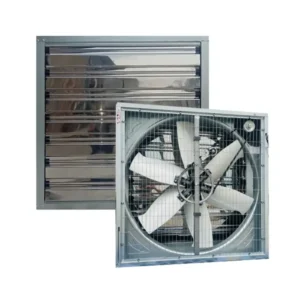
Quạt thông gió vuông là một trong những giải pháp hỗ trợ trao đổi không khí tại khu vực này. Nếu được lựa chọn và bố trí hợp lý, thiết bị góp phần hạn chế tình trạng tích tụ nhiệt, tạo môi trường vận hành thông thoáng hơn cho hệ thống.
Xem thêm: Quạt thông gió vuông cho khu vực sản xuất và đóng gói túi giấy
Vì sao phòng kỹ thuật điện mặt trời cần được thông gió?
Phòng kỹ thuật thường tập trung nhiều thiết bị điện có yêu cầu vận hành ổn định. Nhiệt lượng phát sinh trong quá trình hoạt động, kết hợp với nhiệt độ môi trường bên ngoài, có thể khiến không gian nóng lên đáng kể.
Nhiệt lượng từ inverter và tủ điện
Inverter có nhiệm vụ chuyển đổi dòng điện một chiều từ các tấm pin thành dòng điện xoay chiều để sử dụng hoặc hòa lưới. Trong quá trình chuyển đổi, thiết bị phát sinh nhiệt và cần được tản nhiệt theo thiết kế của nhà sản xuất.
Tủ điện, bộ đóng cắt và các thiết bị giám sát cũng góp phần làm tăng nhiệt độ trong phòng. Nếu không khí nóng khó thoát ra ngoài, nhiệt có thể tích tụ quanh thiết bị, ảnh hưởng đến điều kiện vận hành.
Nhiệt độ môi trường thay đổi theo thời tiết
Tại Việt Nam, phòng kỹ thuật đặt gần mái nhà có thể chịu ảnh hưởng từ nhiệt độ mái, bức xạ mặt trời và điều kiện thời tiết bên ngoài. Vào những ngày nắng kéo dài, nhiệt độ khu vực này có thể tăng cao hơn so với các không gian bên trong công trình.
Hệ thống thông gió giúp đưa khí nóng ra ngoài và bổ sung không khí mới. Tuy nhiên, hiệu quả thực tế còn phụ thuộc vào lưu lượng quạt, vị trí cửa lấy gió và khả năng lưu thông của toàn bộ không gian.
Quạt thông gió vuông hỗ trợ tản nhiệt như thế nào?
Quạt thông gió vuông thường được lắp tại tường hoặc vị trí có kết cấu phù hợp để hút khí trong phòng ra bên ngoài. Khi quạt vận hành, không khí mới được đưa vào qua cửa lấy gió hoặc các vị trí cấp khí đã bố trí.
Tạo hướng lưu chuyển không khí rõ ràng
Đối với phòng kỹ thuật điện mặt trời, luồng khí cần được tổ chức sao cho không khí mới có thể đi qua khu vực thiết bị trước khi được hút ra ngoài. Cách bố trí này giúp hạn chế những vùng không khí tù đọng quanh inverter và tủ điện.
Nếu cửa cấp khí và quạt hút đặt quá gần nhau, luồng khí có thể thoát ra nhanh mà chưa lưu thông hiệu quả trong toàn bộ căn phòng. Vì vậy, cần xem xét vị trí thiết bị, hướng gió và kích thước không gian trước khi lắp đặt.
Hạn chế tích tụ khí nóng trong phòng
Quạt hút giúp đưa một phần không khí nóng ra khỏi phòng, giảm tình trạng nhiệt tích tụ trong không gian kín. Khả năng cải thiện nhiệt độ phụ thuộc vào lưu lượng thông gió thực tế và mức nhiệt phát sinh từ thiết bị.
Quạt thông gió vuông không thay thế hệ thống làm mát chuyên dụng. Với phòng có mật độ thiết bị lớn hoặc yêu cầu nhiệt độ nghiêm ngặt, cần tính toán thêm giải pháp điều hòa hoặc làm mát theo khuyến nghị của nhà sản xuất.
Những yếu tố cần đánh giá trước khi lắp đặt
Phòng kỹ thuật điện mặt trời có đặc điểm khác nhau tùy quy mô công trình, số lượng inverter và cách bố trí thiết bị. Chọn quạt theo diện tích phòng đơn thuần có thể dẫn đến tình trạng thông gió thiếu hoặc không phù hợp với nhu cầu thực tế.
Lưu lượng gió theo tải nhiệt
Lưu lượng quạt cần được xác định dựa trên thể tích phòng, lượng nhiệt phát sinh và mức trao đổi không khí mong muốn. Với khu vực có nhiều inverter hoạt động đồng thời, nhu cầu thông gió thường cao hơn phòng chỉ bố trí một thiết bị công suất nhỏ.
Ngoài thông số lưu lượng danh định, cần xem xét tổn thất áp suất do lưới bảo vệ, cửa chớp, đường dẫn khí và các vật cản tại vị trí lắp đặt. Lưu lượng thực tế có thể thấp hơn thông số công bố nếu hệ thống không được thiết kế phù hợp.
Kích thước quạt và vị trí lắp đặt
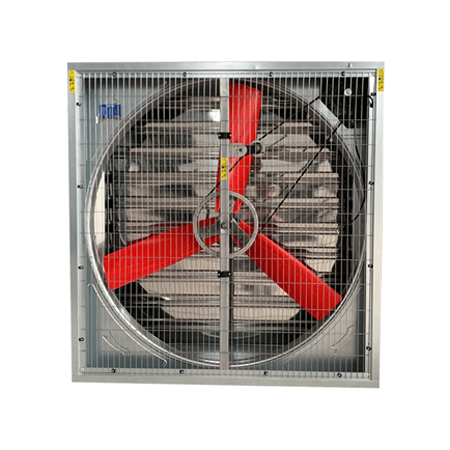
Quạt thông gió vuông có nhiều kích thước, phù hợp với các ô chờ và diện tích lắp đặt khác nhau. Khi lựa chọn, cần kiểm tra kích thước khung, vị trí cố định, khoảng không phía trước và phía sau quạt.
Không nên lắp quạt tại vị trí bị che khuất hoặc quá sát các thiết bị điện. Khoảng cách lắp đặt cần bảo đảm luồng khí lưu thông thuận lợi, đồng thời tuân thủ yêu cầu an toàn điện và hướng dẫn của nhà sản xuất thiết bị.
Khả năng chống bụi và ảnh hưởng của thời tiết
Không khí cấp vào phòng có thể mang theo bụi, hơi ẩm hoặc các tác nhân từ môi trường bên ngoài. Nếu phòng kỹ thuật nằm gần khu vực sản xuất hoặc đường giao thông, cần chú ý đến chất lượng không khí đầu vào.
Có thể cân nhắc lưới lọc, cửa chớp hoặc giải pháp che chắn phù hợp. Tuy nhiên, các bộ phận này cần được vệ sinh định kỳ vì bụi bám lâu ngày có thể làm giảm lưu lượng gió.
Xem thêm: Kết hợp quạt thông gió vuông và quạt hút bụi túi vải cho nhà xưởng
Cách bố trí quạt để tránh thông gió kém hiệu quả
Một hệ thống thông gió hoạt động tốt cần có cả đường cấp khí và đường thoát khí. Chỉ lắp quạt hút mà không có vị trí bổ sung không khí phù hợp có thể khiến quạt hoạt động kém hiệu quả.
Tách biệt vị trí cấp khí và hút khí
Cửa lấy gió nên được bố trí ở vị trí giúp không khí mới đi qua khu vực thiết bị. Quạt hút đặt tại vị trí có khả năng thu gom khí nóng và đưa ra ngoài.
Cần hạn chế tình trạng khí nóng vừa thoát ra đã bị hút ngược trở lại qua cửa cấp khí. Với phòng có nhiều vách ngăn hoặc thiết bị bố trí dày, nên đánh giá hướng lưu chuyển không khí trước khi quyết định vị trí lắp quạt.
Không hướng luồng khí vào vị trí nhạy cảm
Luồng gió cần được phân bổ hợp lý, tránh thổi trực tiếp bụi hoặc hơi ẩm vào tủ điện, đầu nối và các bộ phận nhạy cảm. Vị trí quạt cũng không được cản trở lối tiếp cận để kiểm tra, bảo trì thiết bị.
Đối với inverter có quạt làm mát tích hợp, cần giữ khoảng trống thông gió theo hướng dẫn của nhà sản xuất. Không nên tự ý thay đổi kết cấu làm mát hoặc che kín các khe tản nhiệt của thiết bị.
Dấu hiệu cho thấy hệ thống thông gió cần được kiểm tra
Hiệu quả thông gió có thể suy giảm theo thời gian do bụi bẩn, hư hỏng cơ khí hoặc thay đổi cách bố trí thiết bị. Theo dõi những dấu hiệu bất thường giúp phát hiện sớm vấn đề.
Phòng nóng lên dù quạt vẫn hoạt động
Nếu nhiệt độ phòng tăng cao hơn bình thường, cần kiểm tra lưu lượng hút, đường cấp khí và tình trạng thông thoáng của cửa gió. Quạt có thể vẫn quay nhưng lượng khí trao đổi thực tế không đủ do lưới lọc bị bám bụi hoặc cánh quạt hoạt động kém.
Quạt phát ra tiếng ồn hoặc rung bất thường
Tiếng ồn lớn, rung lắc hoặc tốc độ quay không ổn định có thể liên quan đến bạc đạn, động cơ, cánh quạt hoặc vị trí cố định. Cần kiểm tra và xử lý nguyên nhân thay vì tiếp tục vận hành kéo dài.
Thiết bị thường xuyên cảnh báo nhiệt độ
Khi inverter liên tục cảnh báo nhiệt độ, cần kiểm tra điều kiện làm mát theo tài liệu kỹ thuật của thiết bị. Không nên mặc định nguyên nhân xuất phát từ quạt thông gió, bởi tình trạng quá nhiệt cũng có thể liên quan đến bụi bẩn, tải vận hành hoặc lỗi bên trong inverter.
Bảo dưỡng quạt thông gió vuông trong phòng kỹ thuật
Quạt cần được kiểm tra định kỳ để duy trì khả năng vận hành và hạn chế sự cố. Tần suất bảo dưỡng nên căn cứ vào môi trường lắp đặt, thời gian hoạt động và khuyến nghị của nhà sản xuất.
Các hạng mục cần chú ý gồm vệ sinh cánh quạt, lưới bảo vệ, cửa chớp và khu vực lấy gió. Bụi bám trên cánh có thể làm thay đổi trạng thái cân bằng, gây rung và giảm hiệu quả hoạt động.
Ngoài ra, cần kiểm tra động cơ, dây dẫn, điểm đấu nối và hệ thống cố định. Trước khi vệ sinh hoặc sửa chữa, phải ngắt nguồn điện và thực hiện các biện pháp an toàn phù hợp. Những công việc liên quan đến tủ điện và thiết bị điện mặt trời cần do người có chuyên môn đảm nhiệm.
Lựa chọn quạt thông gió vuông phù hợp cho công trình điện mặt trời
Quạt thông gió vuông cần được lựa chọn dựa trên tải nhiệt, thể tích phòng, lưu lượng yêu cầu và điều kiện lắp đặt. Một thiết bị có công suất lớn chưa chắc mang lại hiệu quả tốt nếu hướng gió không phù hợp hoặc đường cấp khí bị hạn chế.
Đối với phòng kỹ thuật có yêu cầu kiểm soát nhiệt độ, độ ẩm hoặc an toàn đặc biệt, cần kết hợp đánh giá của đơn vị thiết kế điện và thông gió. Nếu khu vực có nguy cơ rò rỉ khí dễ cháy hoặc môi chất lạnh, phải sử dụng hệ thống thông gió an toàn chuyên dụng theo tiêu chuẩn áp dụng; quạt thông gió thông thường không thể thay thế thiết bị được thiết kế cho môi trường nguy hiểm.
Quạt Phú Đạt Vượng cung cấp các giải pháp quạt công nghiệp phục vụ nhà xưởng, khu sản xuất và nhiều hệ thống thông gió. Doanh nghiệp có thể căn cứ vào đặc điểm công trình và yêu cầu vận hành để lựa chọn thiết bị phù hợp, góp phần duy trì môi trường kỹ thuật thông thoáng và ổn định.
Xem thêm: Quạt thông gió vuông và bài toán đầu tư dài hạn cho công trình công nghiệp
Hệ thống điện mặt trời áp mái thường có khu vực kỹ thuật riêng để bố trí inverter, tủ điện, thiết bị đóng cắt và các bộ phận giám sát vận hành. Khi hoạt động liên tục, những thiết bị này có thể phát sinh nhiệt, đặc biệt trong điều kiện thời tiết nắng nóng hoặc không gian lắp đặt hạn chế.
Quạt thông gió vuông là một trong những giải pháp hỗ trợ trao đổi không khí tại khu vực này. Nếu được lựa chọn và bố trí hợp lý, thiết bị góp phần hạn chế tình trạng tích tụ nhiệt, tạo môi trường vận hành thông thoáng hơn cho hệ thống.
Xem thêm: Quạt thông gió vuông cho khu vực sản xuất và đóng gói túi giấy
Vì sao phòng kỹ thuật điện mặt trời cần được thông gió?
Phòng kỹ thuật thường tập trung nhiều thiết bị điện có yêu cầu vận hành ổn định. Nhiệt lượng phát sinh trong quá trình hoạt động, kết hợp với nhiệt độ môi trường bên ngoài, có thể khiến không gian nóng lên đáng kể.
Nhiệt lượng từ inverter và tủ điện
Inverter có nhiệm vụ chuyển đổi dòng điện một chiều từ các tấm pin thành dòng điện xoay chiều để sử dụng hoặc hòa lưới. Trong quá trình chuyển đổi, thiết bị phát sinh nhiệt và cần được tản nhiệt theo thiết kế của nhà sản xuất.
Tủ điện, bộ đóng cắt và các thiết bị giám sát cũng góp phần làm tăng nhiệt độ trong phòng. Nếu không khí nóng khó thoát ra ngoài, nhiệt có thể tích tụ quanh thiết bị, ảnh hưởng đến điều kiện vận hành.
Nhiệt độ môi trường thay đổi theo thời tiết
Tại Việt Nam, phòng kỹ thuật đặt gần mái nhà có thể chịu ảnh hưởng từ nhiệt độ mái, bức xạ mặt trời và điều kiện thời tiết bên ngoài. Vào những ngày nắng kéo dài, nhiệt độ khu vực này có thể tăng cao hơn so với các không gian bên trong công trình.
Hệ thống thông gió giúp đưa khí nóng ra ngoài và bổ sung không khí mới. Tuy nhiên, hiệu quả thực tế còn phụ thuộc vào lưu lượng quạt, vị trí cửa lấy gió và khả năng lưu thông của toàn bộ không gian.
Quạt thông gió vuông hỗ trợ tản nhiệt như thế nào?
Quạt thông gió vuông thường được lắp tại tường hoặc vị trí có kết cấu phù hợp để hút khí trong phòng ra bên ngoài. Khi quạt vận hành, không khí mới được đưa vào qua cửa lấy gió hoặc các vị trí cấp khí đã bố trí.
Tạo hướng lưu chuyển không khí rõ ràng
Đối với phòng kỹ thuật điện mặt trời, luồng khí cần được tổ chức sao cho không khí mới có thể đi qua khu vực thiết bị trước khi được hút ra ngoài. Cách bố trí này giúp hạn chế những vùng không khí tù đọng quanh inverter và tủ điện.
Nếu cửa cấp khí và quạt hút đặt quá gần nhau, luồng khí có thể thoát ra nhanh mà chưa lưu thông hiệu quả trong toàn bộ căn phòng. Vì vậy, cần xem xét vị trí thiết bị, hướng gió và kích thước không gian trước khi lắp đặt.
Hạn chế tích tụ khí nóng trong phòng
Quạt hút giúp đưa một phần không khí nóng ra khỏi phòng, giảm tình trạng nhiệt tích tụ trong không gian kín. Khả năng cải thiện nhiệt độ phụ thuộc vào lưu lượng thông gió thực tế và mức nhiệt phát sinh từ thiết bị.
Quạt thông gió vuông không thay thế hệ thống làm mát chuyên dụng. Với phòng có mật độ thiết bị lớn hoặc yêu cầu nhiệt độ nghiêm ngặt, cần tính toán thêm giải pháp điều hòa hoặc làm mát theo khuyến nghị của nhà sản xuất.
Những yếu tố cần đánh giá trước khi lắp đặt
Phòng kỹ thuật điện mặt trời có đặc điểm khác nhau tùy quy mô công trình, số lượng inverter và cách bố trí thiết bị. Chọn quạt theo diện tích phòng đơn thuần có thể dẫn đến tình trạng thông gió thiếu hoặc không phù hợp với nhu cầu thực tế.
Lưu lượng gió theo tải nhiệt
Lưu lượng quạt cần được xác định dựa trên thể tích phòng, lượng nhiệt phát sinh và mức trao đổi không khí mong muốn. Với khu vực có nhiều inverter hoạt động đồng thời, nhu cầu thông gió thường cao hơn phòng chỉ bố trí một thiết bị công suất nhỏ.
Ngoài thông số lưu lượng danh định, cần xem xét tổn thất áp suất do lưới bảo vệ, cửa chớp, đường dẫn khí và các vật cản tại vị trí lắp đặt. Lưu lượng thực tế có thể thấp hơn thông số công bố nếu hệ thống không được thiết kế phù hợp.
Kích thước quạt và vị trí lắp đặt
Quạt thông gió vuông có nhiều kích thước, phù hợp với các ô chờ và diện tích lắp đặt khác nhau. Khi lựa chọn, cần kiểm tra kích thước khung, vị trí cố định, khoảng không phía trước và phía sau quạt.
Không nên lắp quạt tại vị trí bị che khuất hoặc quá sát các thiết bị điện. Khoảng cách lắp đặt cần bảo đảm luồng khí lưu thông thuận lợi, đồng thời tuân thủ yêu cầu an toàn điện và hướng dẫn của nhà sản xuất thiết bị.
Khả năng chống bụi và ảnh hưởng của thời tiết
Không khí cấp vào phòng có thể mang theo bụi, hơi ẩm hoặc các tác nhân từ môi trường bên ngoài. Nếu phòng kỹ thuật nằm gần khu vực sản xuất hoặc đường giao thông, cần chú ý đến chất lượng không khí đầu vào.
Có thể cân nhắc lưới lọc, cửa chớp hoặc giải pháp che chắn phù hợp. Tuy nhiên, các bộ phận này cần được vệ sinh định kỳ vì bụi bám lâu ngày có thể làm giảm lưu lượng gió.
Xem thêm: Kết hợp quạt thông gió vuông và quạt hút bụi túi vải cho nhà xưởng
Cách bố trí quạt để tránh thông gió kém hiệu quả
Một hệ thống thông gió hoạt động tốt cần có cả đường cấp khí và đường thoát khí. Chỉ lắp quạt hút mà không có vị trí bổ sung không khí phù hợp có thể khiến quạt hoạt động kém hiệu quả.
Tách biệt vị trí cấp khí và hút khí
Cửa lấy gió nên được bố trí ở vị trí giúp không khí mới đi qua khu vực thiết bị. Quạt hút đặt tại vị trí có khả năng thu gom khí nóng và đưa ra ngoài.
Cần hạn chế tình trạng khí nóng vừa thoát ra đã bị hút ngược trở lại qua cửa cấp khí. Với phòng có nhiều vách ngăn hoặc thiết bị bố trí dày, nên đánh giá hướng lưu chuyển không khí trước khi quyết định vị trí lắp quạt.
Không hướng luồng khí vào vị trí nhạy cảm
Luồng gió cần được phân bổ hợp lý, tránh thổi trực tiếp bụi hoặc hơi ẩm vào tủ điện, đầu nối và các bộ phận nhạy cảm. Vị trí quạt cũng không được cản trở lối tiếp cận để kiểm tra, bảo trì thiết bị.
Đối với inverter có quạt làm mát tích hợp, cần giữ khoảng trống thông gió theo hướng dẫn của nhà sản xuất. Không nên tự ý thay đổi kết cấu làm mát hoặc che kín các khe tản nhiệt của thiết bị.
Dấu hiệu cho thấy hệ thống thông gió cần được kiểm tra
Hiệu quả thông gió có thể suy giảm theo thời gian do bụi bẩn, hư hỏng cơ khí hoặc thay đổi cách bố trí thiết bị. Theo dõi những dấu hiệu bất thường giúp phát hiện sớm vấn đề.
Phòng nóng lên dù quạt vẫn hoạt động
Nếu nhiệt độ phòng tăng cao hơn bình thường, cần kiểm tra lưu lượng hút, đường cấp khí và tình trạng thông thoáng của cửa gió. Quạt có thể vẫn quay nhưng lượng khí trao đổi thực tế không đủ do lưới lọc bị bám bụi hoặc cánh quạt hoạt động kém.
Quạt phát ra tiếng ồn hoặc rung bất thường
Tiếng ồn lớn, rung lắc hoặc tốc độ quay không ổn định có thể liên quan đến bạc đạn, động cơ, cánh quạt hoặc vị trí cố định. Cần kiểm tra và xử lý nguyên nhân thay vì tiếp tục vận hành kéo dài.
Thiết bị thường xuyên cảnh báo nhiệt độ
Khi inverter liên tục cảnh báo nhiệt độ, cần kiểm tra điều kiện làm mát theo tài liệu kỹ thuật của thiết bị. Không nên mặc định nguyên nhân xuất phát từ quạt thông gió, bởi tình trạng quá nhiệt cũng có thể liên quan đến bụi bẩn, tải vận hành hoặc lỗi bên trong inverter.
Bảo dưỡng quạt thông gió vuông trong phòng kỹ thuật
Quạt cần được kiểm tra định kỳ để duy trì khả năng vận hành và hạn chế sự cố. Tần suất bảo dưỡng nên căn cứ vào môi trường lắp đặt, thời gian hoạt động và khuyến nghị của nhà sản xuất.
Các hạng mục cần chú ý gồm vệ sinh cánh quạt, lưới bảo vệ, cửa chớp và khu vực lấy gió. Bụi bám trên cánh có thể làm thay đổi trạng thái cân bằng, gây rung và giảm hiệu quả hoạt động.
Ngoài ra, cần kiểm tra động cơ, dây dẫn, điểm đấu nối và hệ thống cố định. Trước khi vệ sinh hoặc sửa chữa, phải ngắt nguồn điện và thực hiện các biện pháp an toàn phù hợp. Những công việc liên quan đến tủ điện và thiết bị điện mặt trời cần do người có chuyên môn đảm nhiệm.
Lựa chọn quạt thông gió vuông phù hợp cho công trình điện mặt trời
Quạt thông gió vuông cần được lựa chọn dựa trên tải nhiệt, thể tích phòng, lưu lượng yêu cầu và điều kiện lắp đặt. Một thiết bị có công suất lớn chưa chắc mang lại hiệu quả tốt nếu hướng gió không phù hợp hoặc đường cấp khí bị hạn chế.
Đối với phòng kỹ thuật có yêu cầu kiểm soát nhiệt độ, độ ẩm hoặc an toàn đặc biệt, cần kết hợp đánh giá của đơn vị thiết kế điện và thông gió. Nếu khu vực có nguy cơ rò rỉ khí dễ cháy hoặc môi chất lạnh, phải sử dụng hệ thống thông gió an toàn chuyên dụng theo tiêu chuẩn áp dụng; quạt thông gió thông thường không thể thay thế thiết bị được thiết kế cho môi trường nguy hiểm.
Quạt Phú Đạt Vượng cung cấp các giải pháp quạt công nghiệp phục vụ nhà xưởng, khu sản xuất và nhiều hệ thống thông gió. Doanh nghiệp có thể căn cứ vào đặc điểm công trình và yêu cầu vận hành để lựa chọn thiết bị phù hợp, góp phần duy trì môi trường kỹ thuật thông thoáng và ổn định.
Xem thêm: Quạt thông gió vuông và bài toán đầu tư dài hạn cho công trình công nghiệp